Drone as First Responder (DFR): How Public Safety and Emergency Response Are Changing
.avif)
When every second counts, the gear we put in first responders’ hands makes all the difference. All over the country, police, fire, and EMS teams are trying to keep up with the pace of emergencies, and drones are changing the game quite fast.
So, what’s DFR actually about? Where did it come from? And why is everyone in public safety suddenly talking about it? Let’s unpack how this tech works and why Paladin Drones is leading the way.
What Is a Drone as First Responder (DFR) Program?
A DFR program launches autonomous drones straight to 911 calls, usually beating ground units to the scene. These drones are stationed around the city, so when a call comes in, they can be in the air within seconds. They stream live overhead video straight to officers and the command staff at headquarters, but also can be streamed essentially anywhere.
It’s like having eyes in the sky before anyone even steps out of a car. This way officers aren’t arriving with only information received on an emergency phone call, they’re arriving with the insight of real-time intel.
Paladin’s DFR system brings a lot to the table:
- Live aerial video, giving intel in real-time
- Thermal cameras for fires, rescues, and low-light calls
- Autonomous flight powered by 5G/LTE networks
- Instant launch through Computer-Aided Dispatch (CAD) integration
- The ability to cover more than one incident at a time
Why DFR Is Changing Everything
1. Speed. Eyes are on Scene in just Seconds
Old-school response means fighting traffic, waiting for dispatch, and losing precious time. With Paladin’s DFR setup, drones are overhead in under 70 seconds, usually before any squad car or fire truck has even turned the corner. That kind of speed provides immensely valuable intel that saves lives.
2. Real-Time Intel Before Anyone Arrives
One of the riskiest moments for cops and firefighters is showing up with little to no information based on calls or insight. With DFR, officers can watch live drone footage, check for threats, spot suspects, and map out their plan before they even open the car door.
For firefighters, drones with thermal cameras help find hot spots, check if a building is safe, and locate people inside before anyone goes in.
3. Officer Safety and De-escalation
DFR is a powerful de-escalation tool. When drones get to the scene first and can confirm or debunk threats, officers can arrive accordingly. Sometimes, a call identifying an armed suspect turns out to be nothing— DFR assists with safer outcomes for everyone by providing objective, accurate information. Officers can have insight at their fingertips that saves trips and keeps themselves and civilians safe.
4. Doing More with Fewer People
Departments everywhere are stretched thin; understaffing is currently a huge issue for departments across the nation. DFR doesn’t replace officers; it backs them up. With live aerial intel, agencies can prioritize calls, handle minor incidents remotely, and make sure First Responders are where they’re needed most. Our system is made easy-to-use so that anyone can be trained to fly it quickly and get eyes in the air ASAP. Intel from DFR programs has sent ground units back to the station before they even arrived at the scene.
How Paladin Drones Is Leading the Way
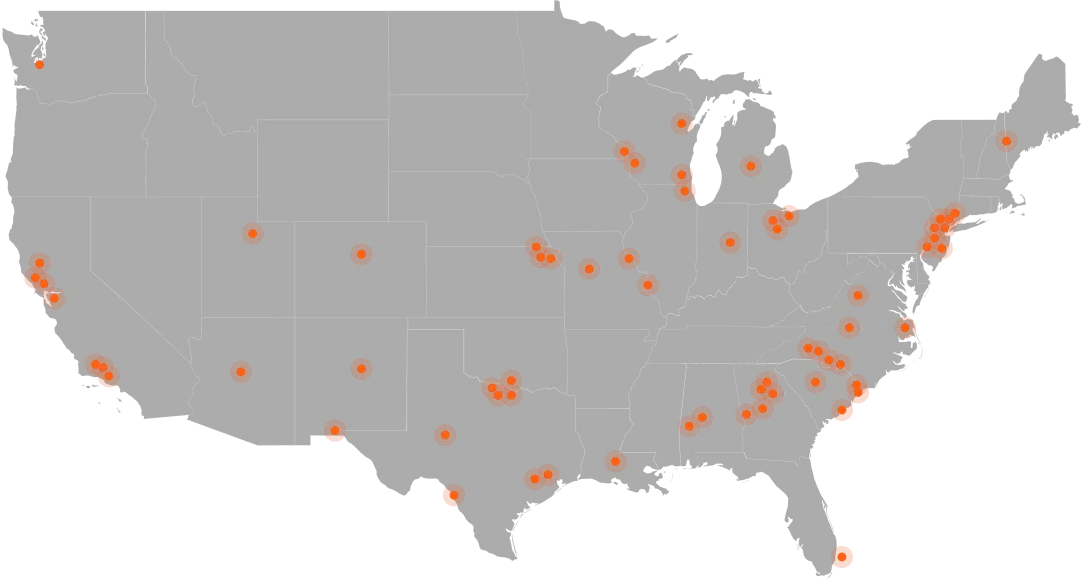
Paladin is an American company building all-in-one DFR solutions for fire, rescue, and law enforcement in over 30 states and hundreds of communities. What makes Paladin different? Our Knighthawk 2.0 drone is designed specifically for public safety work, and our systems work well! It’s fast, reliable, and easy to use.