What is Drone as First Responder (DFR)?
.avif)
Here's Everything You Need to Know About DFR.
In the world of public safety, new technology comes with new buzzwords. One term that has gained a lot of attention in recent years is Drone as First Responder, also known as DFR. But what does DFR actually mean, and how does it work in real-world emergency response?
What Exactly Is Drone as First Responder?
Drone as First Responder is exactly what it sounds like: a drone deployed to an emergency scene before responding units and crews arrive.
Instead of waiting for units to get on scene, a drone can be launched within seconds and fly directly to the location of the call. From above, it provides real-time aerial video and intel that helps dispatchers and responding crews understand what’s happening before they get there.
In simple terms, a DFR drone acts as the first eyes on scene.
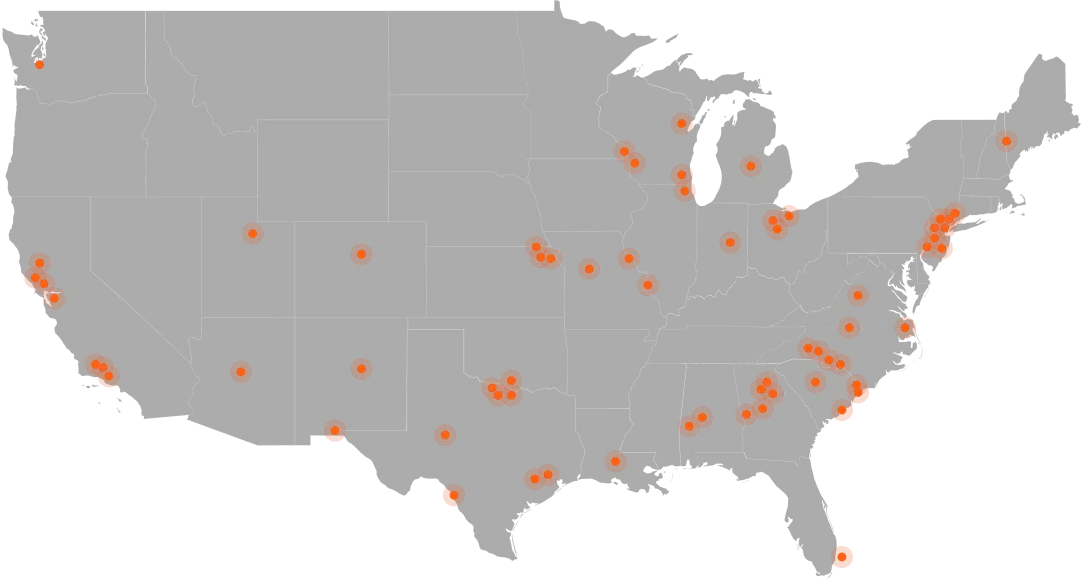
Departments across the United States and internationally are using DFR programs to improve response times, increase situational awareness, and reduce risk for first responders and the communities they serve.
How Does a DFR Program Work?
While every department's operations differ, most DFR programs follow a similar workflow.
1. A 911 Call Comes In
When a call for service is received, dispatch evaluates whether a drone can support the response.
Common calls that benefit from a drone can include:
- Traffic Incident
- Suspicious persons
- Search and rescue
- Structure fires
- Missing persons
- Large public events
If aerial visibility would help responders understand the situation, the drone can be launched within seconds.
2. The Drone Is Deployed
With a DFR program, the drone can be launched directly from a dock or operated autonomously, or by a trained UAV pilot.
In many programs today, the drone is airborne within about 70–90 seconds after deployment.
Once launched, the drone flies directly to the location of the call while streaming live video back to command staff and responding units.
3. The Drone Arrives on Scene
By the time responding units arrive, the drone is already overhead and delivering real-time intel.
From that vantage point, it can provide valuable information such as:
- The number of people involved
- If there are weapons on the scene
- Whether a suspect is still present
- Fire spread or hot spots
- Traffic hazards
- Safer access points for responders
This aerial intelligence helps crews make better decisions before stepping into uncertain situations where critical seconds matter.
Where Paladin Fits Into DFR
At Paladin, we build our technology alongside the law enforcement and fire agencies who use it. We listen closely to their feedback so we can create tools that help them respond faster and better serve their communities.
Our systems combine drones, software, 5G/LTE cellular connectivity, and automation into a single platform designed specifically for public safety.
When a call comes in, a drone can be deployed and deliver live video as early as 70-90 seconds, helping departments respond faster, safer, and with more information.
Why DFR Matters
For decades, the first units arriving at an emergency scene often had very limited information. Drone as First Responder programs are changing that.
By giving agencies real-time visibility before boots are on the ground, DFR technology helps:
- Improve responder safety
- Support faster decision-making
- Reduce unnecessary risk
- De-escalation
- Provide better outcomes for communities and save lives
As more departments adopt these programs, drones are becoming a key part of modernizing public safety infrastructure.